


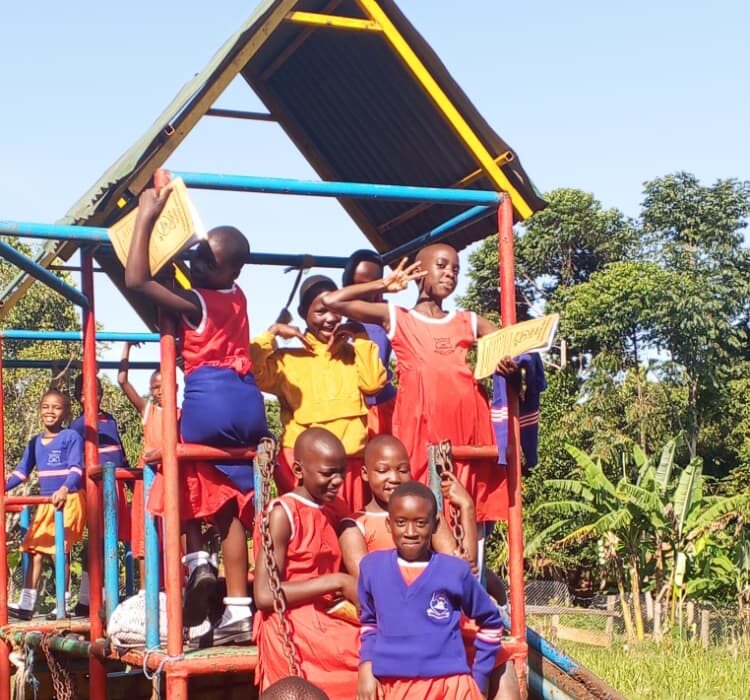
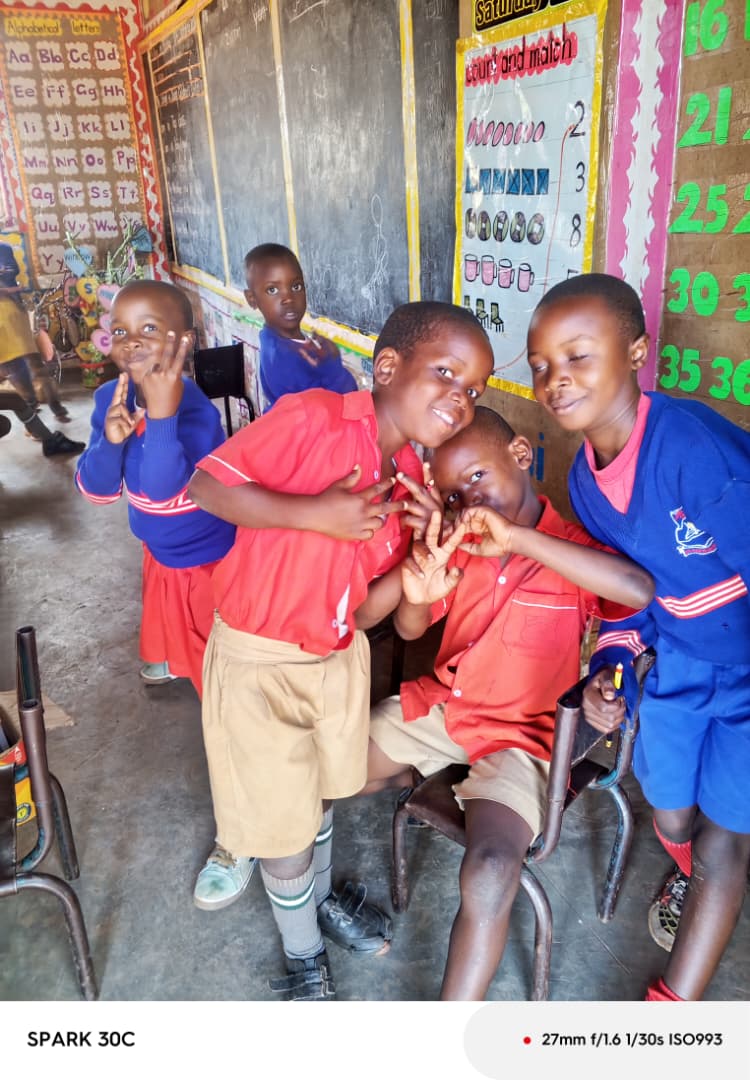
The role of play in early childhood education is one of the most important foundations for healthy child development. At Sharp, play is not just free time—it is a core teaching method that supports learning, social growth, creativity, and emotional development. Through structured and guided play, Sharp helps young learners build strong academic and life skills in a natural, enjoyable, and child-friendly way.
Why Play Matters in Early Childhood Education
Play is more than fun—it is how young learners make sense of the world. Research shows that children learn faster, remember more, and grow emotionally stronger when learning through play. It supports key developmental areas such as:Language development
- Problem solving
- Social and emotional growth
- Physical coordination
- Imagination and creativity
Sharp understands this and uses play as a major learning tool in daily classroom activities.
How Sharp Uses Play-Based Learning in the Classroom
Play as a Learning Method
Sharp’s approach ensures that play is both enjoyable and educational. Activities are designed with learning outcomes in mind, helping children:
- Develop communication and vocabulary
- Practice counting, measuring, and thinking
- Build confidence interacting with others
This keeps children engaged and naturally interested in learning.
Structured and Guided Play for Stronger Growth
While children are encouraged to explore freely, Sharp teachers also guide play so learning goals are achieved. Teachers:
- Introduce new ideas
- Support children who need help
- Ask questions to promote critical thinking
- Help children make connections between ideas
This ensures play is meaningful and leads to real learning progress.
Play Builds Social and Emotional Skills
The role of play in early childhood education includes teaching children how to:
- Share
- Cooperate
- Communicate
- Resolve conflicts
- Understand emotions
Sharp creates a safe and friendly environment where children learn these skills confidently while interacting with their peers.
Learning Through Creativity and Imagination
Sharp encourages children to use imagination during play through:
- Role play and drama
- Storytelling
- Art and craft
- Music and songs
- Make-believe games
These activities help children develop creativity and self-expression while still building communication and thinking skills.
Play Supports Language and Communication
During play, children constantly talk, ask questions, and listen. At Sharp, teachers support language development by:
- Introducing new vocabulary
- Encouraging conversations
- Reading with children
- Teaching through songs and rhymes
These strategies help learners become confident communicators at a young age.
Hands-On Play Encourages Active Learning
Sharp believes children learn best by doing. Hands-on activities such as:
- Building blocks
- Sorting objects
- Outdoor play
- Science experiments
teach children practical thinking, problem solving, and coordination in a natural and enjoyable way.
How Play Connects to Academic Success
Many parents wonder how play helps children perform better academically. Sharp’s approach ensures that play supports early academic skills such as:
- Counting and mathematics
- Reading readiness
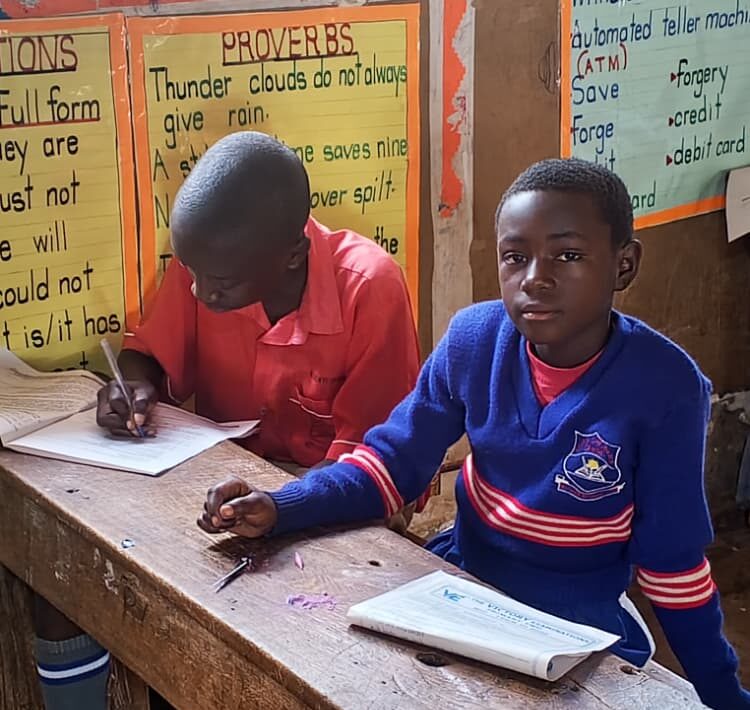
- Writing and pencil control
- Observation and memory
When children learn these skills through play, they understand concepts more deeply and enjoy the learning process.
The Teacher’s Role in Sharp’s Play-Based Learning
Sharp teachers play a key role by:
- Creating a supportive environment
- Planning intentional learning activities
- Encouraging exploration
- Observing progress
- Guiding children without taking over the experience
This balance ensures that learning remains child-centered while still structured enough to achieve strong outcomes.
Why Parents Trust Sharp’s Early Childhood Education
Parents choose Sharp because of:
- A warm, child-friendly learning environment
- Proven results in early academic development
- Qualified and caring teachers
- A modern, child-focused approach
- Learning that is enjoyable and effective
Sharp ensures that children look forward to school every day because learning feels like play—not pressure.
Enroll Your Child at Sharp
Give your child the best start in life through high-quality early childhood education that combines learning and play.
👉 Apply Online:
https://sharpcc.sc.ug/application-form/
📞 Talk to the School:
https://sharpcc.sc.ug/contact-us/
Conclusion
The role of play in early childhood education is powerful, and Sharp has mastered how to use it for meaningful learning. By combining structured play, guided learning, and child-friendly teaching methods, Sharp helps young learners grow academically, emotionally, socially, and creatively—setting the foundation for lifelong success.
Frequently Asked Questions (FAQ)
Why is play important in early childhood learning?
Play helps children learn naturally by building communication, problem solving, emotional growth, and academic skills without pressure.
How does Sharp use play to support academic results?
Sharp integrates reading, counting, writing, and thinking activities into hands-on play so children learn while staying engaged and motivated.
What skills do children develop through play-based education?
Children improve language, social interaction, confidence, physical coordination, creativity, and early academic readiness.
Is guided play better than free play?
Both are important. Sharp balances free exploration with teacher-guided play to ensure children learn new skills while still enjoying independence.
How can parents support play-based learning at home?
Provide time for creative play, talk with your child during activities, ask questions, and encourage imagination through toys, books, and outdoor play.

Leave a Reply